
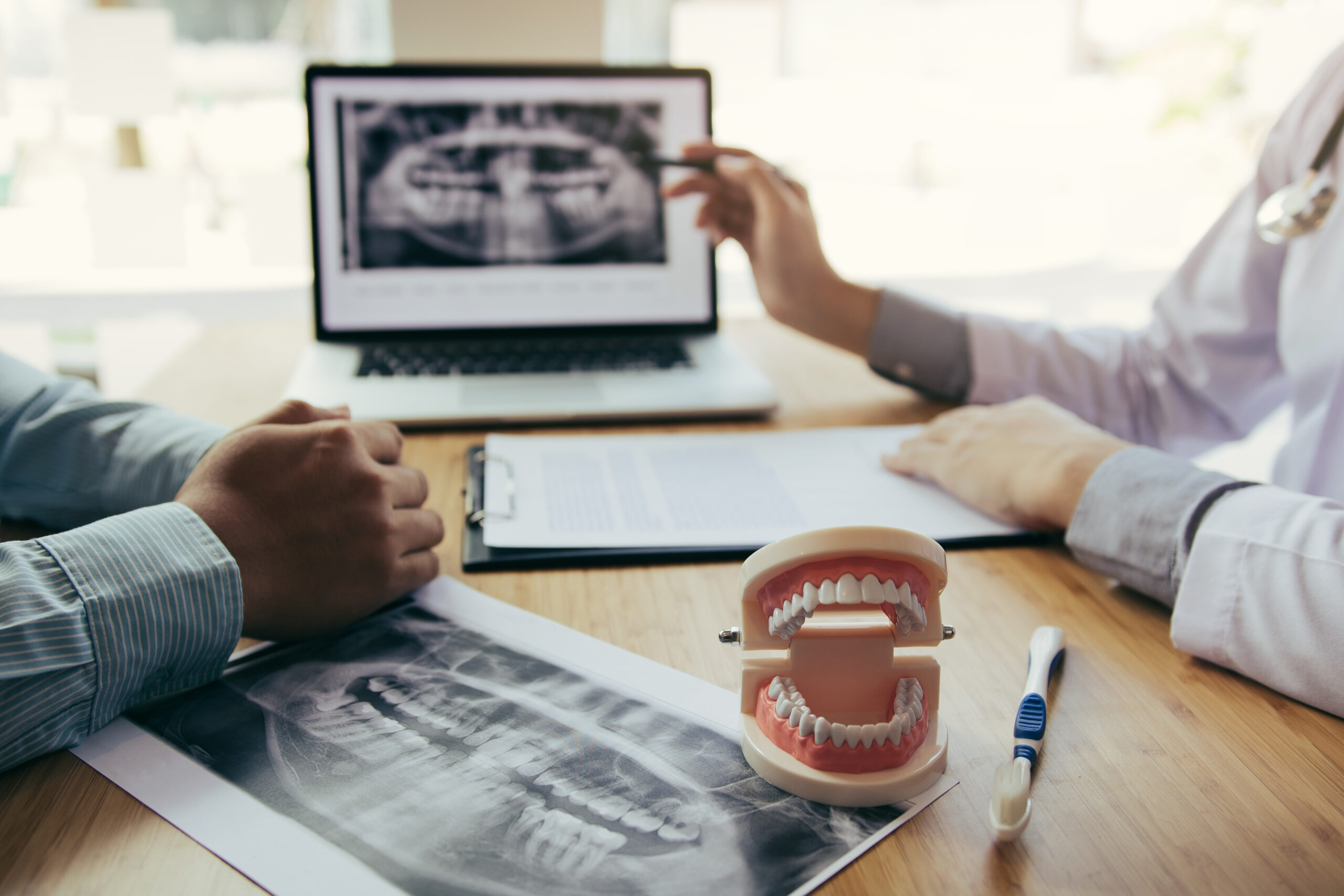
Wisdom tooth removal is one of the most common oral surgeries performed each year, and most patients recover smoothly within a few days. A small number of people, however, run into a painful complication called dry socket, which develops when the healing process inside the extraction site is disrupted. Knowing what causes it and how to prevent it can make the difference between a quick recovery and a week of unnecessary discomfort.
At Wilshire Oral Surgery and Implant Center, we perform wisdom teeth extractions for patients throughout West Los Angeles, and we guide every patient through exactly what to expect during healing so dry socket is far less likely to catch them off guard. Our board certified surgeons combine modern surgical techniques with clear, individualized aftercare instructions to help protect the extraction site during the critical first days of recovery.
What Is Dry Socket?
Dry socket, also known as alveolar osteitis, occurs when the blood clot that normally forms in the extraction site is dislodged or dissolves before the gum tissue has had a chance to heal underneath it. That clot acts as a natural bandage over the bone and nerve endings in the socket, so when it is lost too soon, the exposed bone is left vulnerable to irritation from air, food, and bacteria in the mouth.
The condition typically appears up two to four days after surgery and tends to feel noticeably worse than normal post-operative soreness. Rather than gradually easing, the pain often intensifies and can radiate toward the ear or jaw on the affected side. Dry socket is more common after the removal of impacted teeth than after routine extractions, since these procedures tend to involve more of the surrounding bone and tissue.
What Causes Dry Socket?
Several factors can increase the likelihood of the blood clot being disturbed during early healing. Smoking is one of the most significant, since both the suction motion of inhaling and the chemicals in tobacco interfere with clot formation and stability. Using a straw in the days after surgery creates a similar suction effect and can dislodge the clot just as easily.
Research published in the Journal of Clinical and Experimental Dentistry has identified a difficult extraction, poor oral hygiene, and a previous history of dry socket as measurable risk factors for developing the condition again. Since impacted or surgically complex extractions carry a higher baseline risk, we take extra care during procedures like impacted canine extractions to minimize trauma to the surrounding bone and gum tissue from the start.
How to Avoid Dry Socket During Recovery
Most cases of dry socket are preventable with a few careful habits in the first week after surgery. Avoiding cigarettes, straws, and vigorous oral activity gives the clot the best chance to stay in place while new tissue forms underneath it. Sticking to soft foods and chewing away from the extraction site also reduces the risk of dislodging it too early.
The following precautions can substantially lower your risk during the healing window:
- Avoid smoking or using tobacco products for at least 72 hours after surgery.
- Skip straws, and swish gently rather than rinsing forcefully for the first few days.
- Stick to soft, cool foods and avoid chewing directly on the extraction site.
- Keep the area clean with gentle saltwater rinses starting the day after surgery, as directed.
Following these steps alongside the personalized instructions we provide after your procedure gives the socket the best possible environment to heal without interruption. Patients who use IV sedation for their extraction should also plan for a slower first day, since grogginess can make it harder to remember rinsing and dietary restrictions right away.
When to Contact Wilshire Oral Surgery and Implant Center
If pain intensifies rather than improves after the second or third day, or if you notice a foul taste coming from the socket or persistent bad breath, the clot may have been lost and the area needs to be evaluated. Treating dry socket usually involves gently cleansing the socket and placing a medicated dressing that eases pain and supports healing, and most patients feel immense relief within a day or two. Our board certified surgeons, Dr. Saman Vahedi and Dr. Jonathan Shadi, are available to see patients quickly if these symptoms develop after wisdom tooth removal or any other extraction.
We understand that unexpected pain after surgery is stressful, and we would rather see you sooner than have you manage it on your own. If you are recovering from a recent extraction and something does not feel right, please contact our office so we can get you in and get you comfortable again.
Talk With Our West Los Angeles Oral Surgeons
Have questions about a procedure or ready to schedule? Call our office or request an appointment online.