
Most patients leave an oral surgery appointment wondering the same thing: how bad will it actually be? The good news is that what happens in the surgical chair matters far more to your recovery than most people realize. The techniques, tools, and technologies your oral surgeon uses during your procedure directly affect how much discomfort you feel afterward and how quickly your body heals.
At Wilshire Oral Surgery and Implant Center in West Los Angeles, our board-certified oral and maxillofacial surgeons, Dr. Jonathan Shadi and Dr. Sam Vahedi, take a personalized approach to every procedure across our full range of oral surgery treatments. That means the decisions made before, during, and after your surgery are all aimed at getting you back to your daily life as quickly and comfortably as possible.
How Your Surgeon’s Approach Affects Your Recovery
The relationship between surgical technique and recovery outcomes is well established. A skilled surgeon does not just complete a procedure; they perform it in a way that minimizes tissue disruption, reduces inflammation, and sets the stage for efficient healing from the start.
Minimally Invasive Techniques
One of the most meaningful things a surgeon can do for your recovery is to limit how much tissue is disturbed during the procedure itself. Minimally invasive approaches reduce trauma to the surrounding bone and soft tissue, which directly translates to less swelling, less bleeding, and less pain in the days that follow. This is not simply a preference in our practice. It is a core part of how we treat every patient.
Precision Through Advanced Imaging
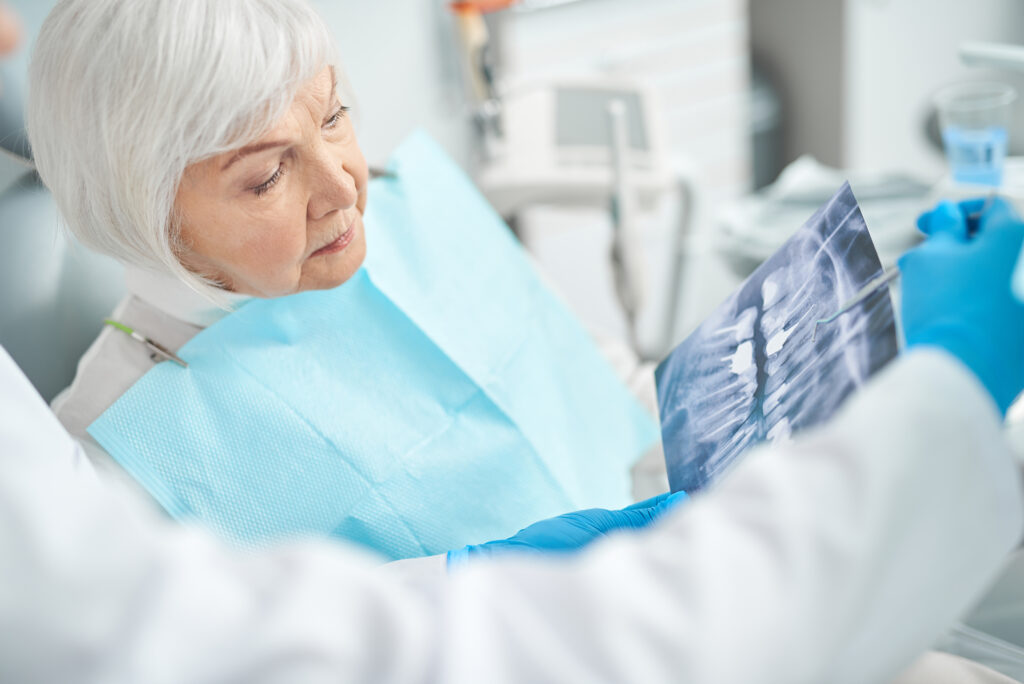
Surgical precision depends on preparation, and preparation depends on accurate information. Our practice uses cone beam 3D imaging technology to map the exact anatomy of your jaw, teeth, and surrounding structures before any incision is made. This level of detail allows us to plan procedures with accuracy that reduces guesswork, shortens operative time, and helps avoid unnecessary tissue involvement during surgery.
The Role of Anesthesia and Pain Control
Comfort during your procedure is only part of the equation. How anesthesia is administered and what happens to pain signaling in your body immediately after surgery also shape your recovery.
We offer IV sedation and general anesthesia options tailored to each patient’s needs, ensuring that you are not only comfortable during your procedure but that your body is not under unnecessary physiological stress. Limiting that stress contributes to a smoother post-operative response. Our team also follows preemptive pain management protocols, meaning we work to get ahead of the pain response before it begins rather than simply reacting to it after the fact.
Platelet-Rich Fibrin and Biological Healing Support
One of the more powerful tools available in modern oral surgery is platelet-rich fibrin, or PRF. This is a concentrate derived from your own blood, prepared immediately before your surgery and applied to the surgical site to accelerate healing. Research published in PMC has shown that PRF supports faster wound healing, reduces postsurgical pain, and helps manage post-operative bleeding by delivering concentrated growth factors and cytokines directly to the area that needs them most.
At Wilshire Oral Surgery and Implant Center, PRF and growth factor therapy are integrated into many of our procedures as a standard part of our approach to recovery. Because it uses your own biology, there is no risk of rejection, and the benefits begin immediately at the surgical site.
What You Can Do After Surgery
Your surgeon sets the foundation, but your follow-through at home matters too. The post-operative period is when healing either progresses well or gets interrupted. Here are the most important things to keep in mind after your procedure:
- Rest: Prioritize sleep and limit physical activity for the first 48 to 72 hours following surgery.
- Diet: Stick to soft foods and avoid anything that requires significant chewing.
- Ice and elevation: Apply ice packs during the first 24 hours and keep your head elevated to reduce swelling.
- Medications: Take prescribed medications on schedule, even if you are not yet feeling pain.
- Oral hygiene: Follow your surgeon’s specific guidance, as improper rinsing or brushing too soon can disrupt clot formation.
Detailed guidance on your recovery is available through our post-operative instructions, and our team is always available if anything feels off during your healing process.
Recover With Confidence at Wilshire Oral Surgery and Implant Center
When it comes to recovery, the surgeon you choose makes a real difference. At Wilshire Oral Surgery and Implant Center, Dr. Shadi and Dr. Vahedi are board-certified oral and maxillofacial surgeons who combine the latest surgical techniques with advanced diagnostic imaging, biological healing tools like PRF, and individualized anesthesia planning to give every patient the best possible recovery experience. We accept most major PPO insurance plans, and our team is bilingual, with Spanish and Farsi spoken in the office, so communication is never a barrier to getting the care you need.
If you are preparing for an upcoming oral surgery procedure and want to feel confident about your recovery, we encourage you to reach out to our team to schedule a consultation.